

Key Takeaways
- Credit Bureau Singapore (CBS) is a MAS-regulated central credit bureau that provides lenders with comprehensive consumer credit reports and scores.
- The most important parts of a CBS report are the executive summary, recent payment performance, and credit score.
- You can access your CBS report online, and it is free if you have recently applied for a credit facility.
- Your credit score depends on your credit usage, repayment history, application frequency, and length of credit history.
- Getting a business loan without a credit score is difficult but possible, usually with smaller loan amounts and stronger proof of timely repayments from non-bank loans.
There are many excellent business loan benefits a Singapore SME can appreciate. But getting business loan approval isn’t always straightforward. Did you know that the business owner’s Credit Bureau Singapore (CBS) report plays an important role, but isn’t the only determinant?
Find out all you need to know about the Singapore credit bureau and its role, understand your Credit Bureau Singapore report, the impact of your CBS report on loan approvals, how to get your CBS report online, how to improve your credit score, and have your burning questions regarding business loan approval answered.
Psst, a good credit score might still lead to loan rejection. Intrigued? Dive in now!
Introduction to Credit Bureau Singapore
What Is the Role of Credit Bureau Singapore?
Credit Bureau Singapore (CBS) is the primary consumer credit reporting agency in the country, acting as a centralised data repository that aggregates credit-related information from major retail banks and financial institutions in Singapore.
Importance of Singapore’s Credit Bureau
Regulated by the Monetary Authority of Singapore (MAS) under the Credit Bureau Act, Singapore’s credit bureau provides lenders with comprehensive credit reports and scores —ranging from 1000 to 2000— that reflect a borrower’s payment history, account balances, and default records.
While CBS does not make lending decisions per se, the Credit Bureau Singapore reports serve as an essential tool for banks to objectively assess a borrower’s creditworthiness, helping determine loan eligibility, interest rates, and credit limits while simultaneously protecting consumer interests by allowing individuals to verify and rectify their own credit data where necessary.
Understanding the Credit Bureau Singapore Report
What is the Credit Bureau Singapore Report All About?

The Credit Bureau Singapore report is a comprehensive document that provides a 360-degree view of your credit history. It serves as a “financial report card” that banks and financial institutions use to decide whether to approve your loan or credit card applications, including business loans if you’re a Singapore SME owner.
The report is divided into several key sections, each providing specific details about your financial behaviour, past and present.
Key Components of Singapore’s CBS Report
#1 Executive Summary of Credit Profile
This section provides a high-level overview of your creditworthiness. It tracks the age of your oldest credit account, the frequency of recent lender inquiries, and the total number of open facilities.
It also highlights critical indicators, including defaults, bankruptcy history, and participation in the Debt Management Programme (DMP). Additionally, it flags identity theft alerts, lists your total secured and unsecured credit limits, and includes relevant narrative comments.
#2 Identity Verification & Contact Details
This segment lists your primary personal data and up to three previous residential addresses. Financial institutions use this information to confirm your identity during the application process.
#3 12-Month Payment Performance
This section offers a granular look at your repayment behaviour over the past year for all active and recently closed credit lines. For credit cards, the data is organised into three distinct rows:
- Row 1: General repayment status (e.g., prompt or overdue).
- Row 2: Activity related to balance transfers or cash advances.
- Row 3: Confirmation of whether the full monthly balance was cleared.
#4 Record of Financial Inquiries
Whenever you apply for a loan or credit card, the lender “pulls” your Credit Bureau Singapore report; these instances are logged here. This record remains visible for two years to help banks determine whether a borrower is attempting to take on too much debt at once.
#5 Delinquency and Default Records
Any instances where you failed to meet repayment obligations are listed here. While settled defaults remain on your report for three years, outstanding or partially paid defaults may stay on your record indefinitely.
#6 Debt Repayment Scheme (DRS) History
This section logs participation in the Debt Repayment Scheme — a programme for debtors with liabilities under S$150,000 administered by the Official Assignee (OA) of the Ministry of Law’s Insolvency Office. It serves as an alternative to bankruptcy, outlining the status of your court-sanctioned repayment plan.
#7 Legal Insolvency Records
Public records of bankruptcy proceedings are displayed in this section. In accordance with legal data retention policies, this information is typically visible for five years following a borrower’s official discharge from bankruptcy.
#8 Credit Bureau Score and Risk Assessment
Your credit score —a four-digit number between 1000 and 2000— is featured here alongside a corresponding risk grade (AA to HH). This algorithm-based score predicts the likelihood of future default based on your current and past credit patterns.
#9 Third-Party Narratives
This section contains explanatory notes or comments added by lenders or other authorised third parties to provide context for specific events or anomalies in your credit history.
#10 Total Debt Balances
This provides a snapshot of your total outstanding debt. It aggregates all unpaid amounts across your various credit facilities, categorised by interest-bearing and non-interest-bearing balances.
#11 Projected Monthly Obligations
This area details your fixed monthly instalment amounts for each facility. It includes data from previous months and projections for upcoming payments, helping lenders assess your current cash flow and debt-to-income ratio.
The Role of Credit Scores in Business Loan Approval
What Is a Credit Score in Singapore?
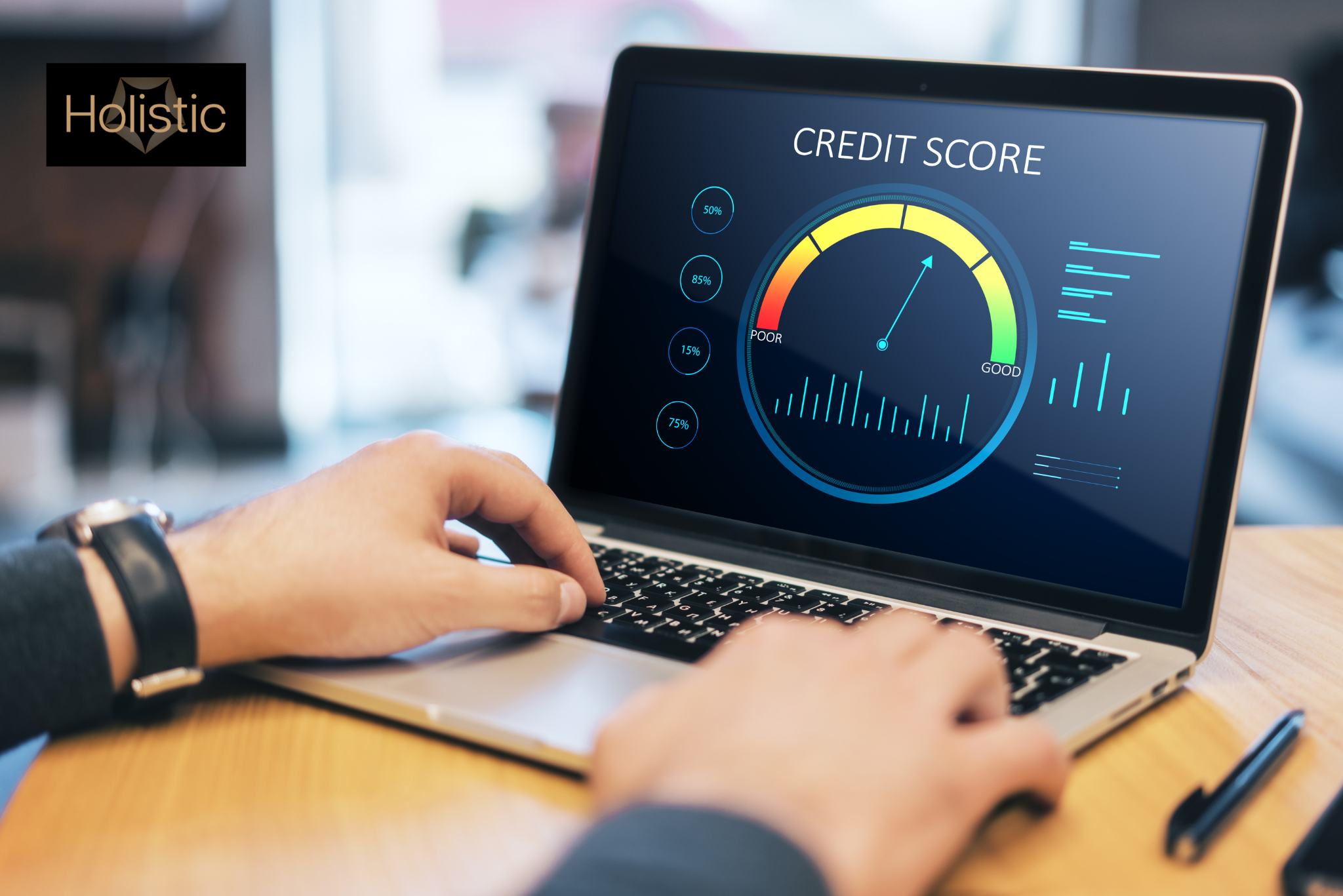
A credit score in Singapore is a numerical representation of an individual’s creditworthiness, ranging from 1,000 to 2,000. Banks and financial institutions in Singapore use it to assess the risk of lending to or extending credit to borrowers.
People with lower credit scores are perceived as more likely to miss payments, whereas those with higher scores are considered more trustworthy borrowers. Naturally, lenders prefer the latter group of borrowers.
Where Can I Check My Credit Score and How Much Does It Cost?
You can check your credit score via your CBS credit report anytime you wish after the 16th of each calendar month for the most updated report. It will cost you S$8 (before GST).
Do All CBS Reports Comprise Credit Scores?
Certain individuals may find that their CBS report does not include a credit score. This typically occurs when there is a limited credit history, a lack of credit accounts, or only a few accounts that have not been updated of late.
The same situation applies to those who have a previous public record, such as litigation or bankruptcy, or who are currently facing significant defaults.
A “Not Applicable” remark will be shown, and a non-scored risk grade will be assigned, for individuals who do not have a credit score.
How to Get a CBS Report Online?
To get your CBS report online, you will need to buy a copy of your credit report on the CBS website. For this, you will need to log in with Singpass, follow the instructions, make the payment, and save a copy of the report. Please note that no report will be delivered to your email inbox.
Can I Get a Free CBS Report Instead of Paying For It?

Yes, you can get a free CBS report if you’ve applied for a credit facility (e.g. credit card, personal loan) with a CBS member and have obtained a notification letter confirming the approval or rejection of your credit application, which includes details on how to redeem your free credit report. The valid window to redeem your free CBS report is 30 days, counted from the date on the approval or rejection letter.
Factors Influencing Your Credit Score
| Factor | Description |
|---|---|
| Available Credit | Refers to the total number of open or active credit accounts. Having too many can negatively affect your score. |
| Recent Credit | It’s wise to space out credit applications. Applying for several credit options in a short time may indicate financial stress. |
| Inquiry Activity | Each loan application results in an inquiry. Multiple inquiries can lower your credit score because they may suggest you’re accumulating too much debt. |
| Utilisation Pattern | This reflects the percentage of credit utilised across your accounts. A higher utilisation rate can indicate a heavier debt load, potentially lowering your score. |
| Account Delinquency Data | Late payments can indicate overspending and debt issues, which can harm your credit score. |
| Credit Account History | A record of on-time payments enhances your credit score compared to someone with a limited credit history. |
Do Personal Inquiries on Your Credit Report Affect Your Credit Score?
This nugget of information may surprise you, but no, personal inquiries will not affect your credit score in any way, since they do not involve a new credit application.
So, if you’re a Singapore SME owner who’s looking to take out a business loan, feel free to purchase your Credit Bureau Singapore report and have a glimpse into your personal credit records to check for accuracy before submitting your business loan application.
Is There a Minimum Credit Score for Business Loan Approvals?
There isn’t a specific industry standard for the minimum credit score required to obtain an SME loan in Singapore. A business owner’s credit score is only one part of a bank’s overall credit evaluation process, though it holds significant weight.
Business owners with an HH credit grade generally face the most significant challenges in obtaining financing, including startup business loans in Singapore, business expansion loans, working capital loans, etc. A GG risk grade might be the lowest credit score that could still qualify for a business loan with major lenders.
That said, individuals with a HH risk grade may still secure business loan approvals if they can convince bank credit underwriters that their high-risk status is not a reflection of poor creditworthiness, but rather due to other factors, like contested annual fees on credit cards.
Impact of CBS Report on Loan Approvals
Lenders’ Criteria Based on CBS Report
In Singapore, business loan approvals are influenced by the business owner’s personal credit score. However, lenders do not rely solely on the Credit Bureau Singapore (CBS) report; instead, they see it as a tool to assess whether an applicant aligns with their specific risk tolerance. Each bank or financial institution establishes its own unique criteria for approving (or rejecting) loans.
Business loan providers do consider a myriad of factors —not just the CBS report— when deciding whether to approve the applicant’s loan request.
Common Reasons for Loan Denials Related to Credit Reports
#1 CX, GX credit rating
CX credit rating
The CX rating is an unscored risk classification indicating insufficient credit activity or information. This classification typically applies to individuals with little to no credit history, which complicates CBS’s ability to determine a credit score.
As this rating suggests, a restricted credit history may make securing a loan difficult, since lenders rely on credit history during the underwriting process.
GX credit rating
A GX rating signifies that the CBS report includes only inquiry records, with no related credit activity or defaults. This score is typically given to individuals who do not have active credit accounts or who only conduct self-inquiries or inquiries by financial institutions for verification purposes. The GX grade often indicates that evaluating creditworthiness is difficult because of insufficient credit history.
Takeaway
GX and CX risk grades apply to individuals who have little to no active personal credit accounts. Some more conservative banks may completely deny cases with GX and CX risk grades. In short, having active credit accounts is crucial for banks to assess your repayment behaviour and overall creditworthiness.
#2 HX, HZ credit rating
HX credit rating
A HX risk grade is applicable if an individual has a current or past record of a Writ of Summons, Bankruptcy Petition, or Bankruptcy Order filed against them.
HZ credit rating
An HZ risk grade indicates that the individual’s credit facilities are currently more than 90 days past due or have been written off, with outstanding balances of S$300 or more.
Takeaway
Both HX and HZ ratings negatively impact the likelihood of securing a business loan or any other type of loa,n as a matter of fact. For those with an HZ rating, the options are nearly non-existent due to the presence of a default record.
How to Improve Credit Score for Business Loan Applications

These are the actionable steps you can take to improve your credit score over time, regardless of whether it’s for a better shot at getting a business loan approved or funds for personal emergencies:
- Pay bills in full and on time: Consistently making full payments demonstrates responsible credit management and helps establish a solid credit history. If you can’t pay the entire amount, ensure you at least cover the minimum payment each month before the due date.
- Reduce debts quickly: Paying down outstanding debts, particularly credit card balances, will lower interest charges and decrease your credit utilisation ratio, which can positively affect your credit score.
- Limit unused credit accounts and limits: Close inactive credit cards, unless they’re your oldest card accounts. If you have high credit limits, consider asking your banks to reduce them, as limiting unused credit accounts lowers your total potential debt.
- Maintain low credit utilisation: Aim to use less than 30% of your available credit. Avoid going beyond 70% utilisation at any time.
Is a Business Loan Approval Guaranteed if I Have a Good Credit Score in Singapore?
Hard truth: Business owners with a stellar AA CBS grade might still have their business loan applications denied if the company does not meet other credit standards set by the banks, such as a healthy Balance-to-Income (BTI) ratio requirement.
Even though there isn’t any regulatory cap on business owners’ BTI ratio when it comes to business loans, most banks will flag concerns or even restrict business lending if the business owner has a BTI ratio that’s too high, as it often suggests significant indebtedness and may indicate that the individual is grappling with excessive credit leverage.
Other Factors Considered in Business Loan Applications
When evaluating a business loan application in Singapore, banks consider more than just your personal Singapore credit bureau report. They assess multiple components, along with specific local regulatory requirements.
Here are the key factors that influence your loan approval and interest rate:
1. Financial Performance & Cash Flow
Demonstrating that your business generates sufficient “free cash” to cover monthly payments is paramount.
- Profitability: Banks will examine your Net Profit from the last two years, relying on your Notice of Assessment or Financial Statements.
- Revenue Trends: Are your sales increasing, consistent, or decreasing?
- Debt Service Coverage Ratio (DSCR): Lenders assess if your operating income is sufficient to meet both current and new debt obligations.
2. Operational History
Younger businesses are often seen as higher risk compared to more established businesses.
- The “2-Year” Rule: Most retail banks in Singapore, such as DBS, OCBC, and UOB, typically require the business to have been incorporated and operational for at least 2 years. Startup loans are the exception here.
- Continuity: Stability in management and a consistent business model are essential.
3. Business & Personal Credit Profiles
For small and medium enterprises (SMEs), banks evaluate both the company and its owners.
- CBS Report: Directors’ and shareholders’ personal credit scores are closely examined — not just yours. A history of late payments, even on personal accounts, can lead to loan rejection.
- Business Credit Report: The bank reviews the company’s payment history with suppliers and other lenders through the Singaproe credit bureau and DP Information Group. Components such as your Corporate Credit Rating and SME Commercial Report will be relevant here.
4. Collateral and Guarantees
- Unsecured vs. Secured: Offering collateral (such as commercial property or fixed deposits) can lead to more favourable loan terms, as lenders’ risk is lower.
- Personal Guarantee (PG): In Singapore, it is standard for directors to provide a Personal Guarantee, making them personally liable if the business defaults.
5. Industry Risk
Banks evaluate industries according to their risk profiles.
- High Risk: Sectors like food and beverage, construction, and retail are approached with caution due to elevated failure rates and economic instability.
- Low Risk: Industries such as professional services (including law and accounting) or those connected to the government typically have an easier time obtaining approval, owing to their perceived stability.
6. Purpose of the Loan
Banks seek clarity on how the funds will be utilised to distinguish between growth-oriented borrowing and distress-driven borrowing.
- Acceptable Purposes: Expanding to a new location, acquiring equipment to boost productivity, or fulfilling a confirmed government contract.
- Concerning Purposes: Using the loan to pay off high-interest debts or to maintain operations during a prolonged period of losses without a clear recovery plan.
Can I Get a Business Loan With Bad Credit?

The circumstances can vary greatly, as each case is unique, with its own set of complexities and considerations. If there are unpaid balances on current default records or if payment histories across various accounts are frequently late, the chances of receiving a business loan approval significantly decrease.
If there is a legitimate reason or explanation for specific weaknesses in your credit score, such as unpaid, unwaived credit card annual fees, there may be chances to submit an appeal that includes this mitigating factor.
Different banks and lenders may have varying interpretations of what constitutes “bad credit.” Non-bank financial institutions might be more flexible on minor credit issues, as their higher interest rates can compensate for the additional risk they assume. Reach out to learn how Holistic Enterprise can help in this regard.
Can I Get a Business Loan With No Credit?
Securing a business loan can be tough for owners without an active credit score, like CX or GX. Many believe that having no loans makes them strong borrowers, but that’s not true.
While it’s challenging to get business financing without a credit history, it’s not impossible. Initial loan amounts may be limited.
If you have loans not listed on your Singapore credit bureau report, providing proof of timely payments over the last year might improve your chances of approval. This includes loans from non-bank lenders, such as HDB or car loans.
Alternatives To Bank Business Loans in Singapore

While a stellar personal credit score is a vital asset for any SME owner, it functions as a necessary foundation rather than a guaranteed ticket to business loan approval. Lenders in Singapore utilise the Credit Bureau Singapore report to gauge your financial integrity and repayment discipline.
Securing the right financing requires a holistic approach that balances personal credit excellence with transparent business record-keeping. By proactively monitoring your CBS report and aligning your loan purpose with growth-oriented goals, you position your SME to not only secure the capital it needs but also to navigate the diverse lending landscape with confidence.
There are so many benefits of a business loan. If traditional banks remain out of reach due to rigid criteria, consider exploring alternative funding routes through licensed providers like Holistic Enterprise, which offers flexible business loans tailored to SMEs that need more adaptable eligibility requirements. Apply online today!