

Key Takeaways
- Singapore’s F&B scene is full of opportunity, but success takes resilience. Many closures occurred to businesses <5-years-old.
- Challenges business owners face include high operating and labour costs, and intense competition not just from local businesses but also from overseas franchises.
- Rising costs and changing consumer habits mean F&B businesses must focus on profitability, value and adapt fast.
- Strategic funding can help F&B businesses manage cash flow, growth and expand their business more effectively.
- F&B business owners can consider applying for grants or for unsecured business loans to support their needs.
As a country known as a food haven, Singapore’s F&B industry is naturally exciting, fast-moving, and full of opportunity. New cafés, restaurants, kiosks, and delivery-first concepts keep popping up across the island, but Singapore F&B business closures happen just as often. Did you know most F&B closures in 2025 occurred to businesses under 5-years-old?
That’s the hard truth. Even heritage brands and long-running operators such as Ka-Soh, Very Lucky Turtle Soup and East Ocean Teochew Restaurant are not immune to rising costs and changing consumer habits.
Running a food and beverage business here is not just about serving good food. It is also about managing rent, manpower, cash flow, marketing, inventory, and customer expectations all at once. In a small market where diners have endless choices, F&B business owners need more just than a strong menu. They need resilience, discipline, and the ability to adapt quickly.
Here are five of the biggest Singapore F&B business struggles and how operators can respond more effectively.
Singapore F&B Challenge #1: Exceedingly High Operating Costs

All business owners want the best for their shops.
High operating costs are among the biggest reasons many F&B Singapore businesses struggle. Rent in prime or high-footfall locations can eat up a huge portion of revenue before an outlet even starts turning a healthy profit.
Add to that perpetually rising ingredient costs, utilities, packaging, delivery commissions, and payroll, and the pressure becomes intense very quickly.
The real problem is that strong sales do not always mean strong margins. A restaurant can look crowded every day and still underperform financially if its cost structure is too heavy. This is why F&B business owners need to look beyond revenue and focus on profitability by the menu item, outlet, and sales channel.
How to mitigate:
You need to know where your money is going. One of the best ways to manage expenses is through tighter cost control. Menu engineering helps identify which dishes are profitable and which are simply taking up space. Waste reduction, better supplier negotiations, and more accurate demand forecasting can also protect margins.
For day-to-day cash flow support, a working capital loan may help businesses cover short-term operating needs without disrupting operations. If equipment upgrades are needed to improve efficiency, this hire purchase loan guide can help owners understand how to spread costs more strategically.
Singapore F&B Challenge #2: Intense Competition

The F&B industry in Singapore is one of the most competitive sectors in the country. How so? Well, a single F&B business doesn’t just compete with nearby restaurants. It is also competing with hawker stalls, food courts, cloud kitchens, supermarkets, convenience stores, and delivery apps offering dozens of alternatives simply by tapping on one’s mobile phone screen.
This intense competition makes it harder to stand out and even harder to raise prices. Larger chains may have stronger buying power, central kitchens, and bigger marketing budgets, which inevitably allow them to leverage economies of scale.
How to mitigate:
Smaller operators often cannot compete on volume, so they need to compete on clarity and identity instead. That means differentiation matters—a lot!
A successful F&B business should give customers a clear reason to choose it. That could be a signature dish, better value, stronger service, a memorable dining experience, or a concept that solves a specific need.
Some brands win with speed and convenience. Others win with authenticity, niche positioning, or consistency. Copying trends may create a short burst of attention, but long-term success usually comes from building something customers can recognise and confidently return to.
Singapore F&B Challenge #3: Changing Consumer Preferences
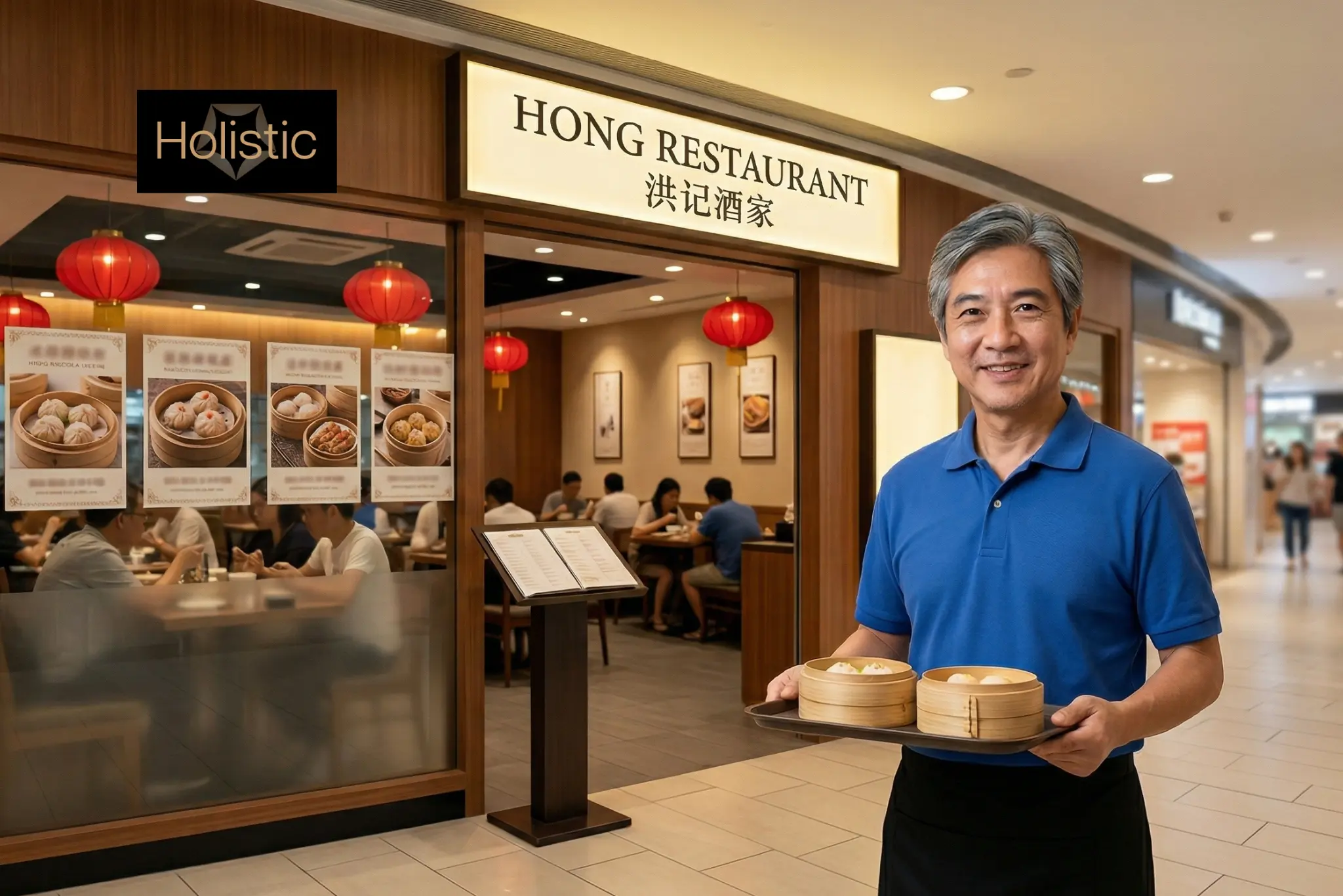
Consumer behaviour in Singapore shifts quickly. Diners today are more price-conscious, more digitally influenced, and more selective about what they spend on. They still care about taste, but they also care about convenience, health and whether the overall experience feels worth the price.
This makes the market tricky for businesses that stay static for too long. A menu that worked well a year ago may feel outdated now. A concept built solely on dine-in traffic may struggle if delivery demand becomes more important. A premium brand may lose momentum if customers start prioritising value more heavily—yes, even Michelin-starred restaurants aren’t spared.
How to mitigate:
The key is adaptation without losing identity. F&B businesses do not need to reinvent themselves every few months, but they do need to listen to their customers.
That means tracking what sells repeatedly, not just what gets initial attention. It means testing limited-time items, improving packaging for delivery, and creating bundles or add-ons that fit current buying habits.
Believe it or not, small changes—when guided by real customer behaviour— can make a big difference. Operators within the F&B industry in Singapore who prioritise staying flexible usually handle market shifts much better than those stubborn ones who assume past success will always keep carrying them forward.
Singapore F&B Challenge #4: Labour Shortages
Labour shortages remain one of the toughest operational issues for many F&B Singapore businesses. Even when demand is strong, understaffing can affect service speed, food consistency, training quality, and staff morale. In a service-driven industry, these problems show up quickly in customer experience.
The challenge is not only about finding workers. It is also about keeping them. F&B roles are physically demanding, often involve long or irregular hours, and can feel unsustainable when teams are stretched too thin. When staff leave, the remaining team usually absorbs more pressure, which can create a burnout cycle.
How to mitigate:
Singapore F&B owners need to improve both recruitment and retention. Clear SOPs, proper onboarding, predictable scheduling, cross-training, and respectful management can all make roles more sustainable.
Technology can help too. We often see restaurants offering QR codes to facilitate independent ordering, self-ordering machines and digital inventory tools to speed up the process. F&B businesses should also explore relevant support schemes for training and operational improvement, because manpower issues are easier to manage when the workplace is designed more efficiently right from the start—way before teething problems start edging a Singapore F&B business to closure.
Singapore F&B Challenge #5: Financial Obstacles
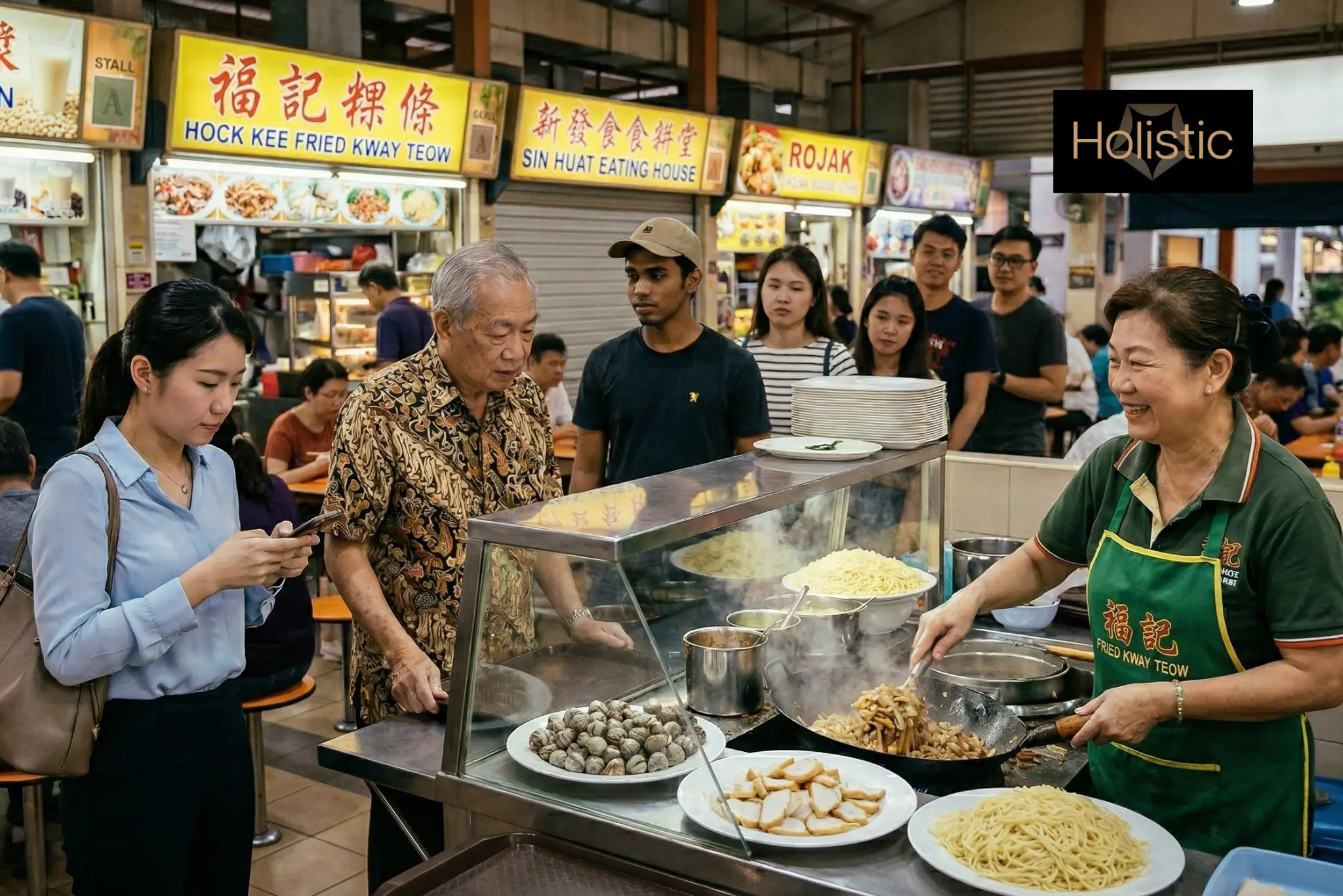
Many Singapore F&B business closures happen because of financial pressure, not just poor demand. Cash flow is often one of the most significant weak points. Even a promising outlet can struggle if it starts undercapitalised, opens with high renovation costs, or faces a few slow months before building a stable customer base.
This is especially common for new ventures. Opening a food and beverage business in Singapore often requires significant upfront spending on fit-out, equipment, licensing, deposits, and staffing. If working capital is too tight, owners may start cutting essential spending too early, whether that means reducing marketing, delaying maintenance, or underinvesting in manpower and stock.
How to mitigate:
Surprisingly, the solution is not always to avoid borrowing. In many cases, the smarter move is to use funding strategically. A business loan for startups can help newer operators understand financing options during the early stage, complementing what top SME grants in Singapore have to offer.
Established SMEs may also want to first explore the benefits of an SME business loan when planning for expansion, refurbishment, inventory build-up, or temporary cash flow support. For many owners searching for an F&B business loan in Singapore, the key is choosing the right financing type for the right purpose.
What Are the Grants for F&B Businesses in Singapore?

Singapore F&B owners can consider looking into the following grants to support their business!
- F&B Process Optimisation Programme
- Productivity Solutions Grant for F&B
- Energy Efficient Grant
- SkillsFuture Enterprise Grant
Do note that these grants depend on eligibility and business needs. They can help bosses support productivity upgrades, digital solutions, energy-saving equipment, and workforce development.
Conclusion
Running an F&B business in Singapore is incredibly tough, but not impossible. The most aggravating Singapore F&B business struggles are usually clear: high operating costs, fierce competition, changing consumer expectations, manpower shortages, and financial pressure. Unfortunately, these are not isolated issues—they often overlap and amplify one another.
The businesses that avoid the dreaded Singapore F&B closure phenomenon—and grow—are usually the ones that stay disciplined, adapt early, and make decisions based on numbers rather than guesswork. They control costs without hurting quality, differentiate instead of copying, respond to customer shifts with purpose, invest in staff and systems, and use funding tools wisely when needed.
In a competitive Singapore F&B market, resilience matters just as much as creativity. A strong concept may open the door, but good operations, sound financial planning, and the ability to evolve are what keep the business alive.
Need a flexible, no-collateral F&B business loan in Singapore with competitive loan terms and swift disbursement? Apply online with Holistic Enterprise or speak with us to learn more about how we can help you on your financing journey.
